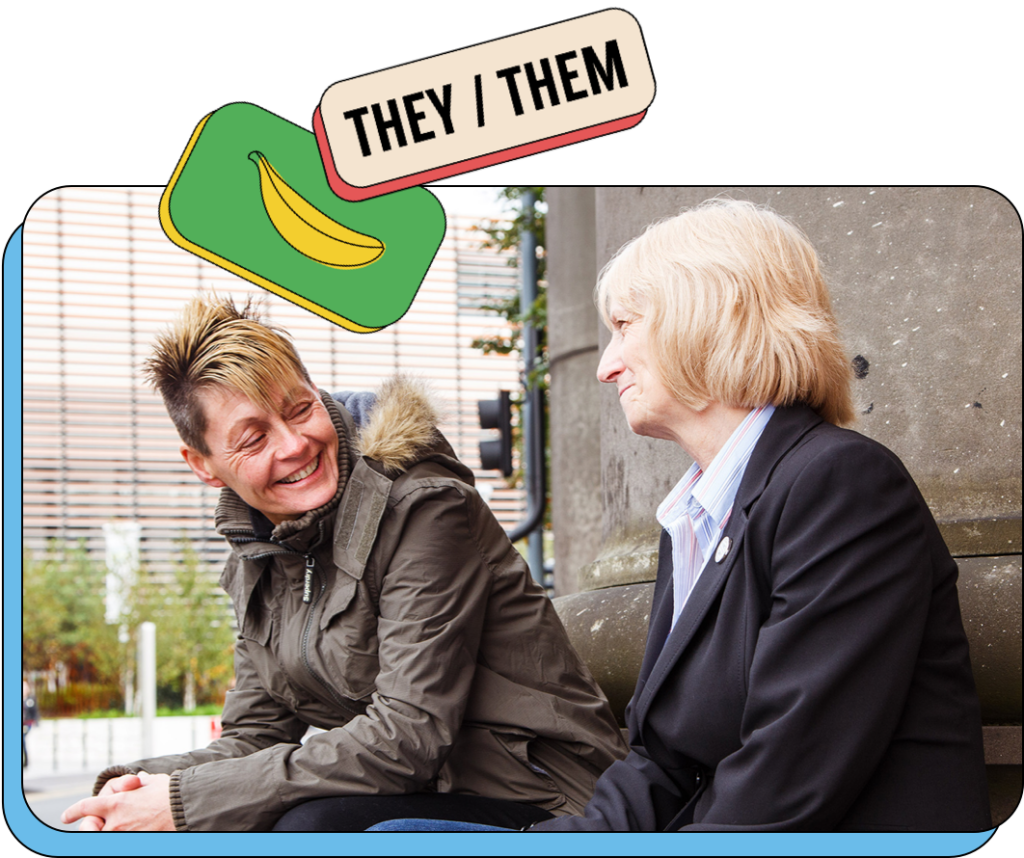
Birmingham LGBT is working with Birmingham Public Health to find out more about the things which affect the health and wellbeing of LGBTQ+ people and what can be done to make improvements. This is part of the Deep Engagement Partnership, working with a range of agencies across the city, with citizens from communities who experience disadvantage and discrimination.
Rainbow Roundtable is how we work with LGBTQ+ people to hear about what affects their health and wellbeing, about their experiences – good and bad – with services, and how they help themselves and the community. We will work together to develop solutions to help improve their lives. These could be anything from raising awareness and how people can help themselves, to developing new services or improving existing ones.
We will take what we learn to set up activities and see how well they work. Our aim is to continue working with the community towards long-term support that really works.

How can I get involved?
Whether you are an individual, part of a community group and/ or work for an agency that supports (or wants to support) LGBTQ+ people, you can get in touch with Maria Hughes on 0121 643 0821 MariaHughes@blgbt.org

24th October, 3pm to 5pm, Birmingham LGBT Centre – for trans and non-binary people only
Everyone knows about health screening tests, for such issues as breast, prostate and cervical cancer. But are you getting the information you need that is right for you? And what difficulties do you have attending screening sessions?
This Rainbow Roundtable is for trans and non-binary people, to explore this issue and ‘design’ ideal health screening services.
We want to learn more about how your experiences affect your health and wellbeing, and hear your ideas about what would make a difference for you.
Booking is essential: https://link.outsavvy.com/stnb
31st October, 3pm to 5pm, Birmingham LGBT Centre – for LGBTQ+ people only
Everyone knows about health screening tests, for such issues as breast, prostate and cervical cancer. But are you getting the information you need that is right for you? And what difficulties do you have attending screening sessions?
This Rainbow Roundtable is for LGBTQ+ people, to explore this issue and ‘design’ ideal health screening services.
We want to learn more about how your experiences affect your health and wellbeing, and hear your ideas about what would make a difference for you.
Booking is essential: https://link.outsavvy.com/slgbtq


Visit Outsavvy for details and to book: Trans & Non-Binary Swimming
Visit Outsavvy for details and to book: LGBTQ+ Self-Defence
Visit Outsavvy for details and to book: Trans & Non-Binary Self-Defence