Lesbian visibility in the twentieth century; a story of scandals! – Sheila Edwards
For LGBTQ+ History month, I have a scandalous story to tell you.
What has this got to do with science and innovation you might ask? Well, tbh, not much but I just wrote an essay about it and thought some of you might enjoy reading the scandal!
I was looking at the links between feminism and lesbianism. They have always shared a common aim – the right of women to lead independent lives, unfettered by the demands of a patriarchy determined to keep them subjugated to the needs of men. Over the course of the past 120 years or so, women have determinedly and successfully pushed back on the societal expectations of matrimony, motherhood, status, and sexuality resulting in an environment where – in the main – being gay or queer or lesbian or whatever else you choose to call it, is, well, acceptable.
You might find it surprising though to learn that two women could – and did – share a home without accusations of their relationship being anything other than friendship at the start of the 20th century. Some of these women (if not most of them!) were almost certainly lesbian. Society simply pretended – or perhaps genuinely believed – that they were just friends, who liked each other’s company, and couldn’t find a man to take care of them. All very sweet really!
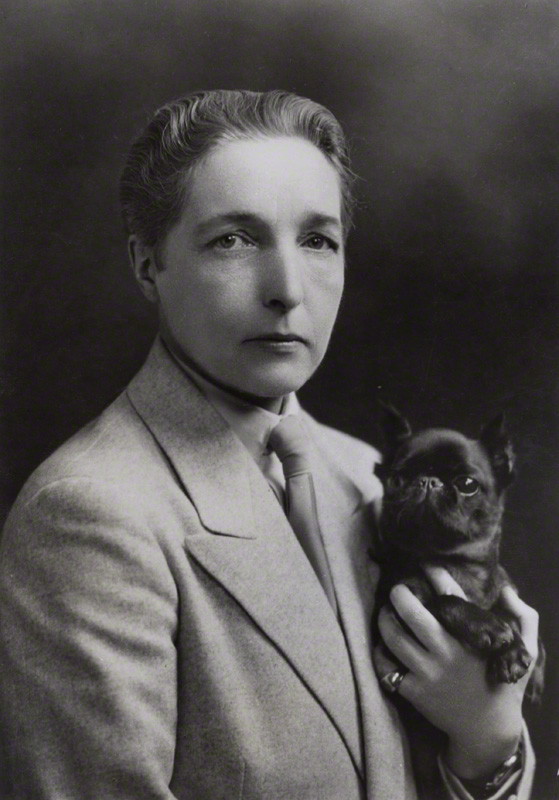
This changed in November 1928 when a scandal broke that brought lesbianism front and centre in a way that saw it vilified. A novelist, Marguerite Antonia Radclyffe-Hall – writing as Radclyffe Hall and known to her lovers and friends as John – published her novel ‘The Well of Loneliness’. It narrated the life of a fictional self-confessed ‘inverted’ woman Stephen – named so because her equally fictional father really, really wanted a son – and her love for women.
A hundred years ago the press was just as vicious as it can be today, and a Sunday Express journalist wrote that he ‘would rather give a healthy boy or a healthy girl a phial of prussic acid than this novel’. Shortly after this the book was banned by the courts.
The question is – what else happened in 1928? Well, all women over 21 got the vote! And some historians think that the scandal over ‘The Well of Loneliness’ was part of the patriarchal backlash – a chance to put women in their place!
Moves to equality stalled in the inter war years. Women-who-loved-women largely stayed hidden, in their relatively secret clubs, up until the ‘swinging sixties’. It began to change in the 60’s and 70’s – there were several acts of parliament in these years that moved women closer toward legal equality with mean, and the first London Gay Pride was in 1972. But being a lesbian was still controversial.
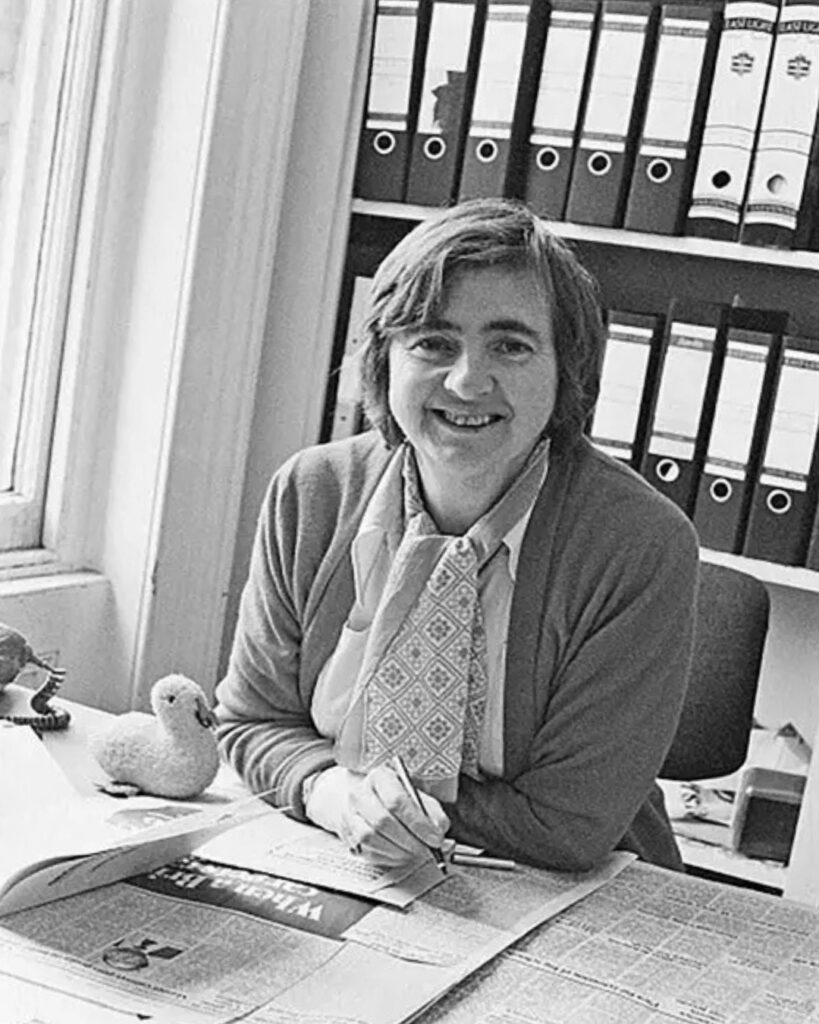
Maureen Colquhoon was the MP for Northampton North from 1974 – 1979. She was married to Keith and had 2 children when she met Barbara ‘Babs’ Todd through her parliamentarywork. Babs was a founder of lesbian magazine Sappho and Maureen and Babs fell in love.
Maureen left her husband to live with Babs, leading to a scandal led again by Express newspapers. Maureen made no secret of her circumstances, and she was the first openly gay MP in Britain but, as a result of the newspaper ‘outing’ her to the general public, she was met with hostility and discrimination. Her position in parliament is though unquestionable evidence of the significant advancements made as the century progressed.
It’s worth noting that Maureen was a well-known feminist; she advocated unerringly for equal rights and worked in parliament to achieve them. Once again – the patriarchy, led by the right-wing press, pushed back!! However, feminism – and lesbians – didn’t stop campaigning and agitating for equality and visibility, which were gradually (at least in law) achieved in the coming years.
Today, lesbians can, if they choose, live openly. We have seen a lesbian Secretary of State for Education in Justine Greening; Sandi Toksvig, Sue Perkins, and Miriam Margolyes are intelligent, talented, and proudly lesbian comics and actors; and a number of the 2025 trophy-winning English football and rugby teams are openly gay.
We all have those that preceded us to thank for our freedoms. And so, we should! Thank you!